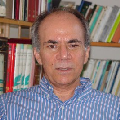
Amwaj:

Reza H. Akbari

After a public absence during the 12-day war with Israel last month, Iran’s Supreme Leader Ayatollah Ali Khamenei on July 5 unexpectedly appeared at his ‘Husseiniyya’, a prayer hall used for religious rituals. The timing was auspicious; Tasua, an important occasion on the Shiite calendar, marks the eve of the slaying of Prophet Muhammad’s grandson Hussein ibn Ali. The day of the 680 CE massacre, which took place in Karbala in modern-day Iraq, is known as Ashura. Revered as the third Shiite Imam, Hussein is hailed for fighting to the bitter end rather than bow to a caliph denounced as corrupt and unfit to rule.

Surprising those in attendance with his sudden entrance, Khamenei waved to an enthusiastic crowd who greeted him with chants of “Heydar, Heydar,” a defiant Shiite cry that means ‘lion’ and is associated with Hussein’s father, Ali bin Abi Talib (656-61), the first Shiite Imam. What happened next surprised many observers. Iran’s top decision maker motioned to Mahmoud Karimi, a renowned eulogist who led the event, to approach him, whispering a few words. Karimi returned to the microphone and announced that the supreme leader had asked him to perform his new rendition of the patriotic song “Ey Iran” (‘O Iran), and duly obliged by reciting novel verses in a strong yet somber voice. Penned in the aftermath of Israel’s surprise attack, Karimi has made several changes to the lyrics, weaving in religious themes with love for the homeland; referring to Iran as “the land of Karbala” and “the nation of Ashura.”

Go to link