عمومی

عضو از ۵ شهریور ۱۳۹۹
نقشه مراکز غیرنظامی آسیبدیده در حملات هوایی اسرائیل و آمریکا
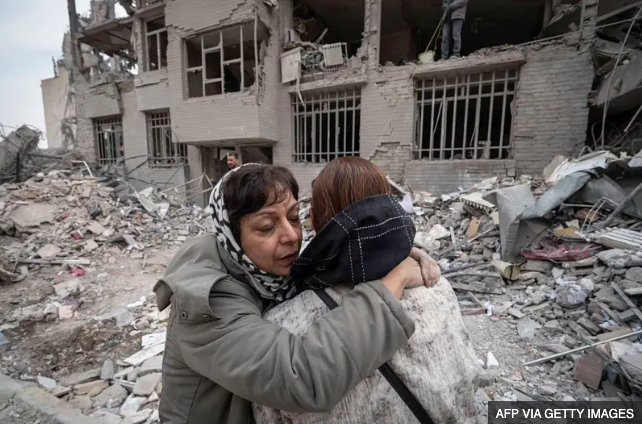
روجا اسدی، فرزاد صیفیکاران و سانا طباطبایی، بی بی سی
بخش راستیآزمایی بیبیسی فارسی تحقیقاتی را برای شناسایی محلهای غیرنظامی که در حمله هوایی اسرائیل و آمریکا به ایران از نهم اسفند تا کنون آسیب دیدهاند یا تخریب شدهاند، آغاز کرده است. نتیجه این تحقیقات نقشهای است که این محلها در آن مشخص شده است.
به دلیل تعداد بالای محلهای غیرنظامی آسیبدیده و نبود گزارشهای معتبر درباره شماری از آنها، ممکن است همه این مراکز در این نقشه منعکس نشود.
این نقشه روزانه آپدیت میشود و نقاط بیشتری به آن اضافه میشود.
مراجعهکنندگان به این نقشه میتوانند با کلیک کردن بر نقاط قرمز، تاریخ و عکسی از آن ببیند و خلاصهای درباره آن بخوانند.
در مواردی که مکانهای آسیبدیده بسیار به هم نزدیک است، در نقشه یک نقطه قرمز دیده میشود، اما با زوم کردن بر روی آن، نقاط آسیبدیده دیگر در نزدیکی آن نقطه پدیدار میشود.
به دلیل حجم بالای مراکز غیرنظامی آسیبدیده در تهران، نقشه این شهر را جدا کردهایم.
حکومت ایران آمار دقیقی از شمار کشتهشدگان نظامی و غیرنظامی منتشر نکرده است. طبق آماری بنیاد شهید تا تاریخ ۱۴ اسفند۱۲۳۰ نفر از کشتهها تشییع شدهاند.
خبرگزاری حقوق بشر هرانا، در گزارشی شمار کشتهشدگان را تا ۲۳ اسفند، ۴۷۶۵ اعلام کرده است و گفته ۱۲۹۸ نفر از آنها غیرنظامی بودهاند.
در بسیاری از موارد مشخص نیست که آیا حمله هوایی مستقیم به این مراکز بوده است یا حمله به ساختمانهای حکومتی و نظامی نزدیک آن.
چه مراکزی غیرنظامی به حساب میآیند؟
در حقوق بینالملل بشردوستانه، شامل کنوانسیونهای ژنو ۱۹۴۹ و پروتکلهای الحاقی آن، قواعد مشخصی برای تفاوت میان اهداف نظامی و اشیاء یا مکانهای غیرنظامی در زمان جنگ تعریف شده است. اصل اساسی در این قوانین، اصل «تفکیک» است،
پروتکل الحاقی اول به کنوانسیون ژنو ماده ۴۸ در تعریف اصل تفکیک میگوید: «طرفهای درگیر باید همواره بین جمعیت غیرنظامی و نظامی و همچنین بین اشیاء/مکان غیرنظامی و اهداف نظامی تمایز قائل شوند و عملیات نظامی خود را فقط علیه اهداف نظامی هدایت کنند.»
بر اساس ماده ۵۲ پروتکل الحاقی اول ژنو، یک مکان یا شیء فقط زمانی هدف نظامی محسوب میشود که «به طور مؤثر در عملیات نظامی مشارکت داشته» باشد و «نابودی یا آسیب زدن به آن مزیت نظامی مشخصی» به شمار بیاید.
پایگاههای نظامی، انبارهای سلاح، مراکز فرماندهی و فرودگاهها یا زیرساختهایی که برای عملیات نظامی استفاده میشوند، از رایجترین اهداف نظامی بر اساس این تعریف هستند.
همین ماده هر چیزی که هدف نظامی محسوب نشود را بهطور «پیشفرض غیرنظامی» دانسته است، مانند خانهها و مناطق مسکونی، بیمارستانها، مدارس و زیرساختهای شهری، مگر اینکه برای اهداف نظامی استفاده شوند.
ماده ۵۲ پروتکل الحاقی اول تاکید کرده است که «اشیاء غیرنظامی نباید هدف حمله یا اقدامات تلافیجویانه قرار بگیرند.»
دسته: تعیین نشده
آتش جنگ برسر میراث فرهنگی؛ از «سپر آبی» تا بمباران
مسعود آذر, بیبیسی
از آغاز جنگ آمریکا و اسرائیل با ایران، چند اثر تاریخی در ایران آسیب دیدهاند. با ادامه درگیری نگرانیها درباره هدف قرار گرفتن میراث فرهنگی از طرف نیروهای آمریکا و اسرائیلی افزایش یافته است و وزیرخارجه ایران سکوت یونسکو را «غیرقابل قبول» خواند.
عباس عراقچی روز پنجشنبه ۲۳ اسفندماه ( ۱۲مارس) در شبکه ایکس نوشت: «اسرائیل آثار تاریخی ایران را بمباران میکند که قدمت برخی از آنها به قرن چهاردهم برمی گردد. چندین اثر ثبت شده در فهرست میراث جهانی یونسکو مورد هدف قرار گرفتهاند.»
او پرسیده است: «یونسکو کجاست؟ سکوت آن غیرقابل قبول است».
یک روز پیش از این، لازار الوندو آسومو، مدیر مرکز میراث جهانی یونسکو، به خبرگزاری رویترز گفته بود این سازمان «عمیقا نگران نخستین تاثیری است که درگیریها هماکنون بر بسیاری از سایتهای میراث جهانی گذاشتهاند.»
او همچنین گفته بود از زمان آغاز جنگ آمریکا و اسرائیل با ایران، چهار مورد از ۲۹ سایت میراث جهانی ایران آسیب دیدهاند و یونسکو از همه طرفهای درگیر خواسته است از مکانهای دارای اهمیت فرهنگی حفاظت کنند.
براساس گزارشها تاکنون کاخ گلستان، کاخ موزه چهل ستون، بخشی از بافت تاریخی مرکز تهران، عمارتهایی چون آصف، سالار سعید و خسروآباد در سنندج، کاخ رشک جنان (کاخ استانداری) اصفهان و موزه مردمشناسی و باستانشناسی قلعه فلکالافلاک خرمآباد از جمله جاهایی بودند که براثر بمباران آمریکا و اسرائیل آسیب دیدند .
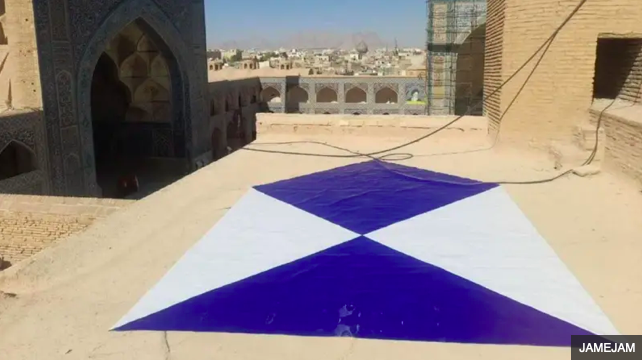
مدیرکل حفظ، احیاء و مرمت بناها، بافتها و محوطههای تاریخی میراث فرهنگی، صنایع دستی و گردشگری روز سهشنبه گذشته ۱۹ اسفند (۱۰ مارچ) خبر داد که برای حفاظت از گنجینههای فرهنگی و تاریخی، «سپر آبی» در بیش از ۱۲۰ موزهها و برخی بناهای تاریخی ایران نصب شده است.
«سپر آبی» علامتی بینالمللی است که بر اساس کنوانسیون ۱۹۵۴ لاهه روی بناها و مکانهای فرهنگی نصب میشود تا در زمان جنگ بهعنوان آثار تحت حفاظت شناخته شوند.
محسن طوسی به خبرگزاری ایرنا درباره کاخ گلستان گفته بود: «کاخ گلستان بر اثر ترکشها و موج انفجار حمله ائتلاف اسرائیل و آمریکا به (کلانتری) میدان ارگ به شدت آسیب دیده است و این بهانه که به کلانتری حمله شده پذیرفته نیست».
حدود هشت ماه پیش در جریان جنگ ۱۲ روزه میان اسرائیل و ایران گزارش و خبری مبنی بر تخریب میراث فرهنگی منتشر نشد.
در دیماه ۱۳۹۸ ( ۴ ژانویه ۲۰۲۰) پس از کشته شدن قاسم سلیمانی، فرمانده نیروی قدس سپاه پاسداران در عراق، دونالد ترامپ، در دور اول ریاست جمهوریاش در شبکه ایکس تهدید کرد در صورتی که مقامهایی ایرانی بخواهند انتقام بگیرند «ما ۵۲ سایت ایران (معادل ۵۲ گروگان آمریکایی در اوایل انقلاب ایران)، که برخی دارای ارزش و اهمیت بالا برای ایران و فرهنگ ایرانی هستند را در تیررس داریم، و به این اهداف و خود ایران، به سرعت و به شدت حمله خواهد شد. آمریکا دیگر هیچ تهدیدی را تحمل نمی کند!»
یونسکو در همان زمان به سخنان دونالد ترامپ واکنش نشان داد و با یادآوری عضویت آمریکا در کنوانسیون ۱۹۵۴ لاهه تاکید کرد که آمریکا نسبت به میراث فرهنگی مردم ایران تعهد بینالمللی دارد.
چرا آثار تاریخی نباید هدف قرار بگیرند؟
آسیب دیدن بناهای تاریخی مانند کاخ «چهلستون» تنها به یک ساختمان محدود نمیشود؛ چنین رویدادهایی اغلب ضربهای به هویت و حافظه تاریخی یک جامعه تلقی میشوند و این نگرانی تنها به ایرانیها محدود نیست.
پس از ویرانیهای گسترده میراث فرهنگی در جنگ جهانی دوم، جامعه جهانی تصمیم گرفت قانونی مشترک برای حفاظت از این آثار تدوین کند. نتیجه این تلاش، کنوانسیون ۱۹۵۴لاهه بود. ایران پنج سال بعد با تائید مجلس شورای ملی، در ۲۲ فوریه ۱۹۵۹ (۱۳۳۷/۱۲/۰۳) به این کنوانسیون پیوست.
پیام اصلی این توافق این است که آثار فرهنگی تنها متعلق به یک کشور نیستند؛ بلکه بخشی از میراث مشترک بشریت به شمار میروند و باید حتی در سختترین شرایط، یعنی در زمان جنگ، از آنها محافظت شود.
کنوانسیون از دولتها میخواهد که حفاظت از میراث فرهنگی را از زمان صلح آغاز کنند. این یعنی کشورها باید فهرستی از آثار مهم تاریخی، هنری و مذهبی خود تهیه کنند، برای حفاظت از آنها برنامه اضطراری داشته باشند و نیروهای نظامی خود را با قوانین مربوط به حفاظت از میراث فرهنگی آشنا کنند.
قوانین بینالمللی تاکید دارند که طرفهای درگیر جنگ باید از آسیب رساندن به آثار تاریخی خودداری کنند. بر اساس این کنوانسیون، استفاده نظامی از بناهای تاریخی ممنوع است؛ یعنی هیچ کشوری حق ندارد یک بنای تاریخی، موزه یا مکان مذهبی را به پایگاه نظامی، انبار مهمات یا محل استقرار نیروهای خود تبدیل کند، چنین کاری نهتنها این آثار را در معرض خطر قرار میدهد، بلکه ممکن است باعث شود طرف مقابل نیز آن مکان را هدف قرار دهد.
از سوی دیگر از نگاه حقوق بینالملل، غارت، سرقت یا تخریب عمدی آثار فرهنگی میتواند جنایت جنگی محسوب شود >>>
دسته: تعیین نشده
حمله به دبستان میناب؛ سناتورهای دموکرات از وزیر دفاع آمریکا خواستند که پاسخ مشخص دهد
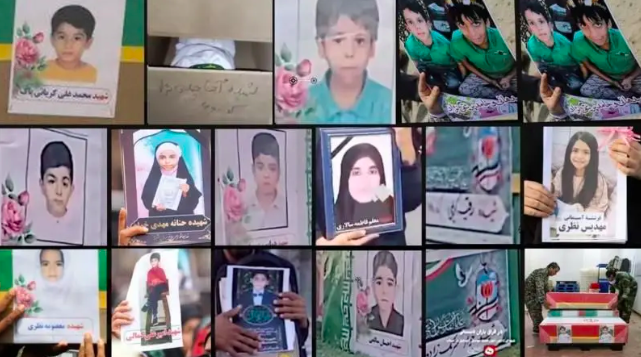
دموکراتهای سنای آمریکا در نامهای به پیت هگست، وزیر دفاع آن کشور، خواستار پاسخگویی در مورد حمله به مدرسه ابتدایی میناب در ایران شدهاند که بر اثر آن ۱۶۸ نفر، از جمله ۱۱۰ کودک کشته شدند.
صبح شنبه، نهم اسفند، تنها حدود چهار ساعت از آغاز حملات هوایی آمریکا و اسرائیل به ایران دبستان شجره طیبه در میناب در استان هرمزگان هدف یک موشک قرار گرفت که بر اثر آن ۱۱۰ کودک دانشآموز دختر و پسر بین ۷ تا ۱۲ سال و تعدای از معلمان و چند نفر از والدین دانشآموزان کشته شدند.
رسانههای آمریکایی گزارش دادهاند که بازرسان ارتش آمریکا معتقدند نیروهای آمریکایی احتمالا مسئول حمله غیرعمدی به مدرسه در آغاز عملیات مشترک آمریکا و اسرائیل بودهاند، اما به نتیجه نهایی نرسیدهاند.
پنتاگون اعلام کرد که مانند تمام مکاتبات کنگره، به نویسندگان نامه پاسخ مستقیم خواهد داد.
پیت هگست هفته گذشته در پاسخ به پرسش بیبیسی در مورد این حمله، گفت که ایالات متحده غیرنظامیان را هدف قرار نمیدهد و در حال بررسی این موضوع است.
این نامه که از طرف تقریبا تمام سناتورهای دموکرات ارسال شده است، مجموعهای از سوالات دقیق در مورد حمله به میناب را مطرح میکند، از جمله اینکه آیا ایالات متحده آن را انجام داده است یا نه.
این نامه این سوال را مطرح میکند که آیا تجزیه و تحلیل قدیمی یا ناقص هدف میتواند منجر به اصابت ساختمان مدرسه شده باشد یا نه.
این نامه همچنین با اشاره به اظهارات اخیر پیت هگست که در یک کنفرانس خبری گفته بود هیچ «قوانین احمقانهای» در این جنگ وجود نخواهد داشت، میپرسد که آیا وزیر دفاع از قوانین برای جلوگیری از ارتکاب جنایات جنگی پیروی کرده است یا نه.
اگر نقش آمریکا در حمله به مدرسه ابتدایی میناب تایید شود، این حمله به یکی از بدترین موارد تلفات غیرنظامیان در طول دههها درگیری آمریکا در خاورمیانه تبدیل خواهد شد.
یکی از امضاکنندگان این نامه سناتور گری پیترز، عضو کمیته نیروهای مسلح سنا، گفت که این واقعه «یک تراژدی وحشتناک» بوده است و او میخواهد بداند «دقیقا چه اتفاقی افتاده است.»
او به بیبیسی گفت: «بیایید سعی کنیم هر چه سریعتر به این حقایق دست یابیم تا دقیقا بدانیم چه اتفاقی افتاده است و سپس میتوانیم در مورد اقداماتی که پس از دانستن این حقایق باید انجام دهیم، بحث کنیم.»
این نامه نشان میدهد که چگونه جنگ به موضوعی تبدیل شده که قانونگذاران آمریکایی را بر اساس موضع حزبیشان دو دسته کرده است. هیچ عضوی از حزب جمهوریخواه دونالد ترامپ، آن را امضا نکرده است. در همین حال، تنها سناتور دموکراتی که امضا نکرد، جان فترمن بود که از اقدام نظامی حمایت کرده است، هرچند گفت که تحقیقات در مورد حمله به مدرسه درست بوده است.
سیبیاس شریک خبری بیبیسی در آمریکا، و سایر رسانههای آمریکایی، گزارش دادهاند که ارزیابی اولیه مقامهای آمریکایی از این حادثه نشان میدهد که ایالات متحده «احتمالا» مسئول این حمله بوده است، اما عمدی مدرسه را هدف قرار نداده و ممکن است موشک به اشتباه به محل اصابت کرده باشد.
شخص مطلعی که در مورد ارزیابی اولیه حمله به مدرسه ابتدایی میناب با سیبیاس صحبت کرده است، میگوید که این حمله ممکن است به این دلیل باشد که اطلاعات مورد استفاده ایالات متحده قدیمی بوده و به اشتباه منطقه را هنوز یک سایت نظامی معرفی کرده است.
دونالد ترامپ پیش از این، بدون ذکر شواهد، گفت براین باور است که «ایران این حمله را انجام داده است.»
او روز سهشنبه دوباره در پاسخ به خبرنگاران در مورد حمله به مدرسه ابتدایی میناب گفت: «من به اندازه کافی در مورد آن نمیدانم.» او با اشاره به تحقیقات نظامی که در حال انجام است، افزود: که هرچه گزارش نشان دهد، برای او قابل پذیرش است.
تحلیلهای ویدئویی کارشناسان نشان داده است که یک پایگاه نظامی سپاه پاسداران انقلاب اسلامی در کنار مدرسه توسط یک موشک تاماهاک، نوعی موشک کروز آمریکایی مورد اصابت قرار گرفته است.
آقای ترامپ گفته بود که برخی کشورهای این موشک را خریداری کردهاند اما گفته میشود که اسرائیل و ایران چنین موشکی در اختیار ندارند.
دسته: تعیین نشده
هدف قرارگرفتن بانک سپه تهران؛ سپاه پاسداران از مردم کشورهای منطقه خواست از یک کیلومتری بانکها دوری کنند
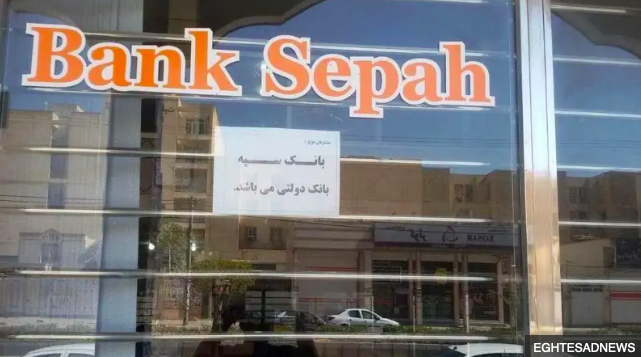
در پی حمله آمریکا و اسرائیل به یکی از ساختمانهای بانک سپه در تهران، سخنگوی قرارگاه خاتم الانبیا در بیانیهای به ساکنان «کشورهای منطقه» هشدار داد که از شعاع یک کیلومتری بانکها در این کشورها فاصله بگیرند.
در این بیانیه گفته شده که ارتش آمریکا و اسرائیل «پس از ناکامی در اهداف نظامی» ، یکی از بانکهای ایران را هدف قرار دادند.
سپاه پاسداران در بیانیه خود گفته است که با این اقدام در جنگ، «دشمن دست ما را برای هدف قرار دادن مراکز اقتصادی و بانکهای متعلق به آمریکا و رژیم صهیونیستی در منطقه باز گذاشت. آمریکاییها منتظر اقدام متقابل و دردناک ما باشند.»
کشورهای منطقه حاشیه خلیج فارس، دارای شعبات زیادی از موسسات مالی کشورهای غربی هستند.
با اینکه سخنگوی قرارگاه خاتمالانبیا در بیانیه خود به بانک سپه اشارهای نکرده است اما احتمالا اشاره او از حمله دیشب، بانک سپه بوده است.
شبکه خبر جمهوری اسلامی دیشب گفت که کارمندان یک بانک در تهران در حمله هوایی شبانه کشته شدند.
به گزارش شبکه خبر این کارمندان در شیفت فوقالعاده «در حال آمادهسازی پرداخت حقوق اسفند بودند.»
بعد از بیانیه قرارگاه خاتمالانبیا، بانک سپه بیانیهای منتشر کرد و نوشت: «طی ساعات پایانی شب گذشته تمام خدمات حضوری و غیرحضوری بانک به پایداری رسید و عملیاتی شد و کارکنان بانک در حال انجام وظیفه بودند که متاسفانه حوالی ساعت یک بامداد روز چهارشنبه بیستم اسفندماه یکی از ساختمانهای بانک سپه هدف حمله موشکی رژیم صهیونی آمریکایی قرار گرفت.»
در این بیانیه آمده است: «تیمهای فنی در حال بررسی و رفع مشکلات بوجود آمده هستند.»
بنابر گزارشها، این ساختمان متعلق به بانک سپه در بزرگراه حقانی است.
عموما در این ایام سال، آستانه سال نو، تقاضا برای پول بالا میرود. هر چند شهروندان ایران در عید امسال شرایط متفاوتی را تجربه میکنند.
اتفاقات اخیر در حالی بود که از روز سهشنبه (۱۹اسفند) گزارشهایی از اختلال در خدمات بانک ملی و بانک سپه گزارش شده بود و به نظر میرسد که عدهای در حال رفع مشکلات بوجود آمده بودند.
در ۲۷ خرداد ماه امسال و در جریان جنگ ۱۲ روزه میان اسرائیل با ایران هم بانک سپه دچار اختلال شده بود که آن را به حمله سایبری نسبت دادند.
گروه موسوم به «گنجشک درنده» مدعی شد که این بانک را هک کرده است.
در پیام آنها که همراه با ویدیویی از مدارک سرقت شده منتشر شد، نوشته شده بود: «بانک سپه نهادی بود که از تحریمهای بینالمللی عبور میکرد و با استفاده از پول مردم ایران، از پروکسیهای تروریستی رژیم، برنامه موشکی بالستیک و برنامه نظامی هستهای آن حمایت میکرد.»
گنجشک درنده سالهاست حملاتی پیچیده و بالقوه خطرناک به زیرساختهای سایبری ایران انجام میدهد.
کشورهای منطقه حاشیه خلیج فارس، دارای شعبات زیادی از موسسات مالی کشورهای غربی هستند.
دسته: تعیین نشده
استفاده از نوجوانان به عنوان نیروی امنیتی
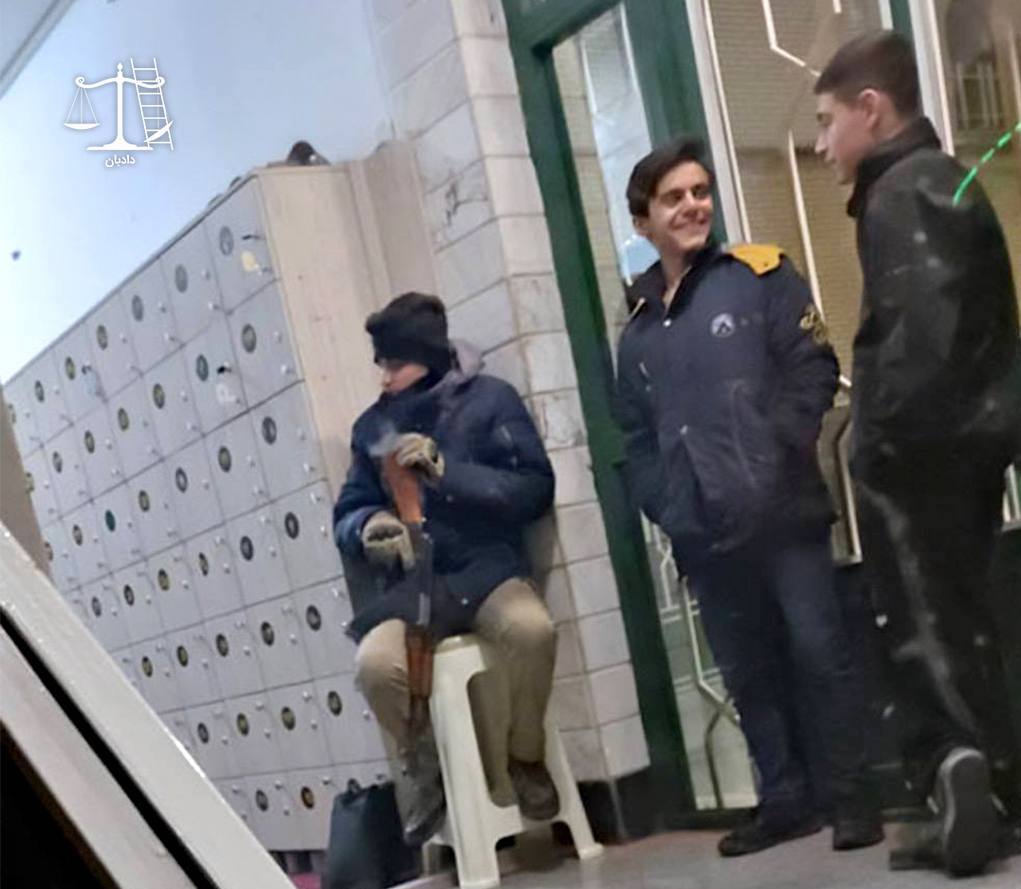
گزارشها و تصاویر منتشر شده از بکارگیری نوجوانان توسط نهادهای امنیتی و نظامی جمهوری اسلامی به عنوان نیروی امنیتی حکایت دارد.
بنا بر گزارشهای رسیده به دادبان از سوی شاهدان عینی، شماری از نوجوانان ۱۶ و ۱۷ ساله توسط نهادهای امنیتی مسلح شده و به عنوان نیروی امنیتی در شهرها حضور دارند.
به گفته شاهدان عینی، این نوجوانان مسلح به اسلحه کلاشینکف، در ایستهای بازرسی حضور فعال و قابل توجهی دارند.
از منظر حقوق بینالملل، استفاده از افراد زیر ۱۸ سال در فعالیتهای نظامی یا امنیتی نقض جدی حقوق کودکان محسوب میشود. بر اساس کنوانسیون حقوق کودک و همچنین پروتکل الحاقی آن درباره مشارکت کودکان در مخاصمات مسلحانه، دولتها موظفاند از بهکارگیری افراد زیر ۱۸ سال در درگیریهای مسلحانه یا فعالیتهای نظامی و شبهنظامی جلوگیری کنند. مسلح کردن نوجوانان و استفاده از آنان در ایستهای بازرسی یا ماموریتهای امنیتی میتواند آنان را در معرض خطر مستقیم خشونت قرار دهد.
علاوه بر این، چنین اقداماتی میتواند مصداق بهرهکشی از کودکان در فعالیتهای خطرناک تلقی شود. بر اساس استانداردهای بینالمللی حقوق بشر، دولتها موظفاند از کودکان در برابر استفاده در فعالیتهایی که امنیت و سلامت آنان را تهدید میکند محافظت کنند. بهکارگیری نوجوانان مسلح در نقش نیروهای امنیتی نه تنها با این تعهدات در تضاد است، بلکه مصداق نقض جدی و فاحش حقوق کودک محسوب میشود.
دسته: تعیین نشده
در دفاع از خشمِ اجتماعی: خشم بهمثابه قطبنمای اخلاقیِ جامعه
محمود صباحی، آسو
خشم؛ دفاعِ زندگی از کرامتِ خویش
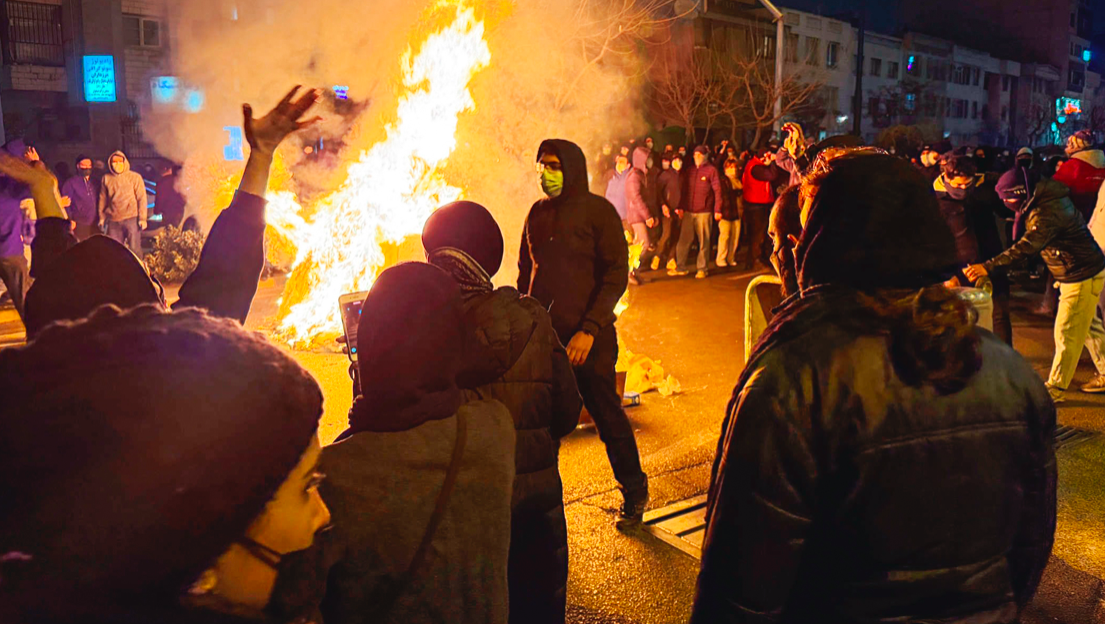
امروز در ایران، خشم به یکی از بالاترین آستانههای اجتماعیِ خود رسیده و به نیرویی بالفعل برای کنش ــ و بالقوه برای آفرینش سیاسی ــ بدل شده است. واکنشها به این وضعیت دوپارهاند: گروهی از موضعی فلسفی یا معنوی، خشم را خاستگاه شر و بیماری میدانند و از همین رو نفیاش میکنند؛ گروهی دیگر آگاهانه بر هُرم آن میدمند و آن را سرمایهای انسانی و موتور تغییر میشمارند. در چنین شرایطی، تأمل در باب خشم از سطح یک مسئلهی انتزاعی فراتر میرود و به ضرورتی جامعهشناختی بدل میشود. از منظر این نوشته، خشم عیب اخلاقی نیست، بلکه یکی از نیروهای بنیادین حیات است. برخلاف دیدگاهی که خشم را نشانهی فقدان خرد، ضعف اخلاق یا غلبهی هیجان کور میداند، این حالت پیش از هر چیز علامت زخمیشدن کرامت انسانی است.
آنچه انسان ــ و حتی جانور ــ را به خشم میکشاند، تجربهی نقضِ همان احساسِ بدیهیِ «نباید چنین باشد» است. همانگونه که در فلسفهی هگل، تجربهی بردگی و زیرِ سلطه بودن ــ در مقامِ «ناتوانی از کُنشی آزادانه» ــ ضرورت و معنایِ آزادی را فراپیش میکشد، خشم نیز پیش از آنکه دیباچهای بر خشونت باشد، پاسخِ حیات به تحقیر است؛ واکنشی طبیعی به انکارِ حقِ بودن که خود را در سلبِ توانِ کُنشگری نمایان میکند. از اینرو، بیراه نیست اگر بگوییم که گوهرِ ارزش، از دلِ حساسیتِ حیات به تحقیر زاده میشود؛ چرا که تحقیر، چیزی جز دستاندازی به آزادیِ بودن نیست. درست بر پایهی چنین درکی است که «کرامتِ انسانی» در مادهی نخستِ اعلامیهی جهانیِ حقوقِ بشر جای گرفته است؛ گویی تجربهی تاریخیِ بشر نشان داده که پیش از هر حقِ مشخصی، این ساحتِ آسیبپذیرِ وجودی است که باید به رسمیت شناخته شود.
بر این بنیاد، خشم گستردهی امروز مردم ایران نه هیجانی برساخته و نه محصول تحریکهای بیرونی است، بلکه واکنشی است به زخمی ساختاری: زخمی که از بازتولید مستمر تحقیر در سازوکارهای قدرت ناشی شده است. هر بار که این سازوکار تشدید شده، خشم نیز ژرفتر شده است. یکی از خطاهای راهبردی حاکمیت آن بوده که پنداشته با تشدید محدودیتها و کاستن از آزادیهای فردی و اجتماعی میتواند جامعه را به انفعال بکشاند. با این حال، تجربهی جنبشها و خیزشهای پس از انقلاب ــ بهویژه خیزش دیماه ۱۴۰۴ که به سرکوبی خونین و فاجعهبار انجامید ــ گواهی است بر اینکه ابزارهای صُلبِ قدرت، بیش از آنکه گرهی بگشایند، تنها سکوتی گذرا و صوری را تحمیل میکنند. این سکوت اما نشانهی تسلیم نیست؛ بلکه به معنای راندهشدنِ خشم از ساحتِ گفتارِ عمومی به لایههای رسوبکردهی روانِ جمعی است. در آن قلمروِ پنهان، خشم در سکوتی سنگین انباشته میشود، پیوندهای زیرزمینیِ همدلی میسازد و بهتدریج ماهیتی نو مییابد؛ تا آنکه در لحظهی بحرانی، نه در قالبِ شِکوِه، بلکه به صورتِ کُنشی رادیکال و انفجاری سر برآورد.
خشمِ جامعه، واکنشی ناگزیر به جراحتِ کرامتِ انسانیِ آن است. از اینرو، نباید سکوتِ یک ملت را همواره به پای وقار و آرامش نوشت؛ و بسا این خاموشی، نشانهی سقوط در ورطهی تسلیم و بیگانگی با خویشتن باشد. بر این بنیاد، پایداریِ حساسیت نسبت به تحقیر، نه یک رذیلت، بلکه نشانهی قطعیِ حیات در پیکرهیِ اجتماعی است. خطاست اگر فرهیختگی را با «اهلیشدن» یکسان بپنداریم؛ چرا که غایتِ فرهیختن، نه خاموشکردنِ آتشِ خشم، بلکه هنرِ راهبری و کیمیاگریِ این نیروست. البته خشم از گزندِ انحراف مصون نیست؛ میتواند بر پایهی بدفهمی بنا شود، به مسیرهای ویرانگر درآید و حتی علیه جریانِ زندگی بشورد. اما امکانِ انحراف، هرگز حجتی برای نفیِ یک نیرو نیست. سیلاب را شر نمینامند، زیرا پدیدهای طبیعی است؛ مسئله، نحوهی مهار و جهتبخشی به آن است: یا ویران میکند، یا با هدایتی سنجیده به قدرتی بدل میشود که بر توانِ زندگیِ انسانی میافزاید. از این رو، مسئلهی بنیادین، حذفِ خشم نیست، بلکه صورتبندی و والایشِ آن است؛ و این همان معنایِ ژرفِ فرهیختن است.
با این همه، نباید از یاد بُرد که بیانِ روشن و راستِ این حقیقت که «من» یا «ما» خشمگین هستیم، خود به تنهایی کُنشی اخلاقی است؛ زیرا پنهان کردنِ خشم، اگرچه ممکن است در ظاهر خویشتنداری به نظر برسد، در حقیقت نوعی ناراستی در پیوند با دیگری و همزمان، نوعی ویرانگریِ درونی است. خاموشیِ تحمیلی، این نیرو را از میان نمیبَرد؛ بلکه آن را به درون میراند تا به کینه، رنجی نهفته یا فرسایشِ روان بدل شود. نیچه در کتابِ اینک آن انسان با لحنی گزنده همین نکته را یادآور میشود: «حتی به نظرم میرسد که درشتترین واژه، درشتترین نامه نیز نیکخواهانهتر و شریفتر از سکوت است. آنان که سکوت میکنند تقریباً همیشه از ظرافت و ادبِ دل بیبهرهاند؛ سکوت خود نوعی اعتراض است، فروخوردنِ [آنچه باید گفته شود] ناگزیر منش را فاسد میکند ــ حتی معده را هم تباه میسازد. همهی خاموشان دچار سوءهاضمهاند.» از اینرو، ابرازِ آگاهانهی خشم را باید یکی از ویژگیهای پایهای در رفتارِ اخلاقی و گامی حیاتی در راهِ مراقبت از تندرستیِ فردی و سلامتِ پیوندهایِ اجتماعی دانست. نباید در برابرِ خشم، نمایشی از «وارستگیِ اخلاقی» به راه انداخت؛ چرا که این خودنمایی، در بنمایهاش کُنشی نااخلاقی است >>>
دسته: تعیین نشده
تصاویر ماهوارهای درباره حمله به فرودگاه مهرآباد تهران چه میگویند؟
فرزاد صیفیکاران, بیبیسی
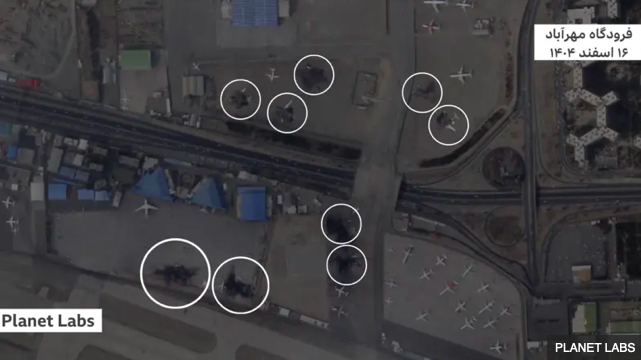
بخش راستیآزمایی بیبیسی تصاویر ماهوارهای شرکت پلنت از فرودگاه مهرآباد تهران را بررسی کرده که نشان میدهد در حمله بامداد شنبه ۱۶ اسفند (۷ مارس) اسرائیل و آمریکا، بخشهای مختلف این فرودگاه هدف قرار گرفته است.
بر اساس تصاویر ماهوارهای دستکم ۱۷هواپیما از بین رفته است.
هنور تصاویر ماهوارهای بهروزشده از کل محوطه این فرودگاه وجود ندارد، اما بخشهای عمدهای از تصاویر ماهوارهای روز شنبه نشان میدهد، هواپیماهایی که بر اثر حمله دیشب نابود شدند، اغلب مسافربری هستند.
دستکم هفت فروند از این هواپیماها در اطراف فضای اصلی و باند فرودگاه قرار دارند. سایر هواپیماها در جاهای دیگر فرودگاه پراکنده هستند. مشخص نیست چه تعداد از این هواپیماها در زمان هدف قرار گرفتن عملیاتی بودهاند.
علاوه بر هواپیماها، به نظر میرسد به چند ساختمان کوچک هم آسیب رسیده باشد.
ویدیوهای تأییدشده از دیشب هم آتشسوزیهایی را در بخشهای مختلف فرودگاه نشان میداد.
ارتش اسرائیل امروز در بیانیهاش اعلام کرد که در فرودگاه مهرآباد «۱۶هواپیمای متعلق به نیروی قدس سپاه پاسداران» را منهدم کرده است که به گفته این ارتش از آنها «برای انتقال سلاح به سازمان تروریستی حزبالله استفاده میشد.»
دسته: تعیین نشده
یک پاکستانی به اتهام طراحی نقشه قتل ترامپ به دستور جمهوری اسلامی مجرم شناخته شد
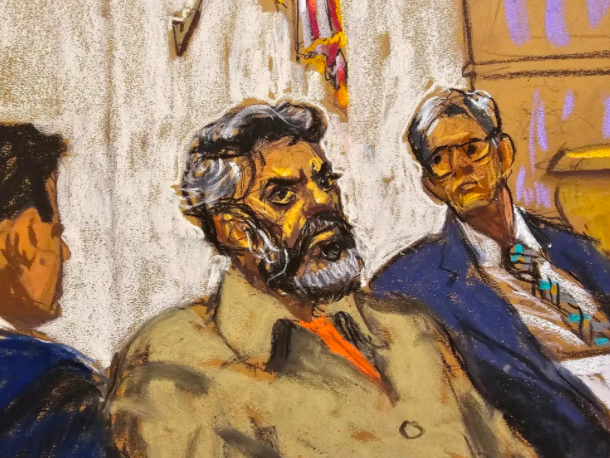
هیات منصفه یک دادگاه فدرال در نیویورک مردی پاکستانی را به اتهام طراحی نقشهای برای ترور رییسجمهوری آمریکا، مجرم شناخت. به گفته مقامهای قضایی، این طرح که گفته میشود با حمایت جمهوری اسلامی برنامهریزی شده بود، میتواند برای متهم مجازات حبس ابد در پی داشته باشد.
دادستانها اعلام کردند آصف مرچنت، ۴۷ ساله، از عوامل آموزشدیده سپاه پاسداران انقلاب اسلامی، به اتهام «استخدام قاتل برای انجام قتل» و «تلاش برای انجام اقدام تروریستی فرامرزی» محکوم شد. او به تلاش برای استخدام افرادی با هدف انجام ترورهای سیاسی در خاک آمریکا متهم شده بود و ممکن است با حکم حبس ابد روبهرو شود. حکم او بهزودی اعلام میشود
بر اساس اعلام وزارت دادگستری آمریکا، مرچنت در دادگاه گفته است که سپاه پاسداران در سال ۲۰۲۳ او را به آمریکا فرستاد تا افرادی را برای ماندن در این کشور و همکاری احتمالی شناسایی کند.
او همچنین گفته است سال بعد با ماموریتی دیگر به آمریکا بازگشت؛ ماموریت جذب افرادی برای ترور یکی از سه چهره سیاسی در آمریکا، سرقت اسناد و سازماندهی یک تجمع اعتراضی.
دادستانها میگویند این پرونده زمانی لو رفت که مرچنت از یکی از آشنایانش خواست او را به افراد اجیرشده برای قتل مرتبط کند و آن فرد موضوع را به نیروهای انتظامی گزارش داد. ماموران مخفی که خود را به عنوان آدمکش معرفی کرده بودند، خرداد ۱۴۰۳ در اتاق متلی در محله کویینز نیویورک با او دیدار کردند.
ویدیویی که بعدها در دادگاه فدرال بروکلین پخش شد، نشان میدهد مرچنت با ترسیم نقشه حمله روی یک دستمال، درباره نحوه قتل هدف توضیح میدهد.
پیشتر در مرداد ۱۴۰۳، وزارت دادگستری آمریکا اعلام کرده بود مرچنت به ارتباط با جمهوری اسلامی و تلاش برای ترور سیاستمداران و مقامهای دولتی در ایالات متحده متهم شده است.
بر اساس اسناد دادگاه، او در مجموع ۱۰ هزار دلار به عنوان پیشپرداخت به دو مامور مخفی پرداخت کرده بود. دادستانها معتقدند او قصد داشت نقشه قتل را در قالب یک اعتراض صحنهسازیشده در یکی از گردهماییهای انتخاباتی ترامپ اجرا کند.
همچنین در فایلهای صوتی ارائهشده در دادگاه، گفتوگوهایی درباره سرقت اسناد دولتی آمریکا مطرح شده بود.
وزارت دادگستری آمریکا پیشتر اعلام کرده بود که انگیزه این اقدام میتواند مرتبط با انتقامگیری از کشته شدن قاسم سلیمانی، فرمانده پیشین نیروی قدس سپاه پاسداران، باشد. بازرسان همچنین گفتند مرچنت در جستوجوهای اینترنتی خود محل برگزاری تجمعهای انتخاباتی ترامپ را بررسی کرده بود.
کش پاتل، مدیر افبیآی، در بیانیهای گفت: «این نخستین تلاش ایران برای آسیب رساندن به شهروندان ما در خاک آمریکا نبود؛ تلاشهای دیگر نیز ناکام ماند.»
او افزود: «این حکم یادآور تعهد افبیآی به شناسایی چنین تهدیدهایی و جلوگیری از اقدامات خشونتآمیز است و هر کسی را که برای دخالت در نظام دموکراتیک ما تلاش کند، پاسخگو خواهیم کرد.»
این پرونده در حالی به صدور حکم انجامید که تنشها میان آمریکا، اسرائیل و جمهوری اسلامی در خاورمیانه افزایش یافته و حملات مشترک آمریکا و اسرائیل دهها نفر از فرماندهان ارشد سپاه پاسداران و مقامهای امنیتی جمهوری اسلامی را هدف قرار داده است.
این طرح همچنین یکی از چند تهدید مرتبط با ایران علیه دونالد ترامپ در جریان آخرین کارزار انتخاباتی او عنوان شده است.
دسته: تعیین نشده
روایتهای ایرانیان زیر آتش جنگ: از ترس بیرون رفتن تا هراس در خانه ماندن
فرن تقیزاده, بیبیسی
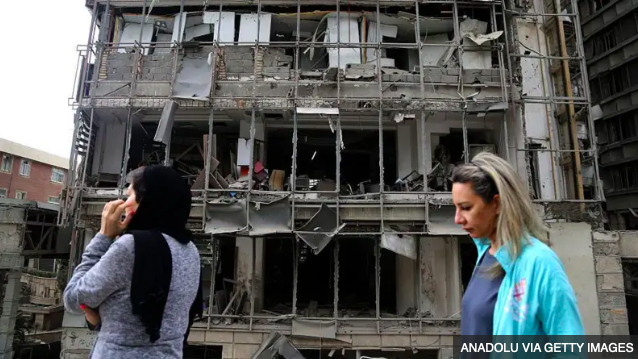
روز جمعه تعدادی از ساکنان تهران که توانستهاند به اینترنت جهانی وصل شوند میگویند شاهد «سنگینترین» حملات روزهای اخیر بودهاند. در میانه حملات هوایی مداوم آمریکا و اسرائیل، بسیاری از شهروندان ایرانی در خانههایشان ماندهاند. سالار ساعت ۵ صبح جمعه با صدای انفجار از خواب بیدار شده است. او صدای سه انفجار را تشخیص داده است. بابک در مرکز تهران، هم میترسد بیرون برود، هم هراس دارد در خانه بماند. در ارومیه، سجاد دچار اضطراب شدید شده، اما میگوید مرگ علی خامنهای او را به آینده امیدوارتر کرده است. کاوه، دیگر نگران کمبود مواد غذایی در زنجان نیست اما قطعی اینترنت او را هم کلافه کرده است.
این مطلب، روایت تعدادی از شهروندانی است که از روز شروع حملات در شنبه ۹ اسفند، در شهر مانده و جنگ را به چشم دیدهاند و توانستند با ما تماس بگیرند. روایتها زمانی به دست ما رسید که این شهروندان با ویپیانهایی که به صورت اتفاقی وصل بود، توانستند به اینترنت جهانی وصل شوند. اسامی این شهروندان برای حفظ هویتشان تغییر داده شده است. نظرات این افراد بازتابدهنده همه طیفهای مردم در ایران نیست.
«این بار، تفاوت دارد»
بابک هم در جنگ ۱۲ روزه تابستان و هم در جنگ جاری تهران مانده است. اما این بار تفاوتهایی میبیند. هم در میزان حجم حملهها و هم در برخورد مردم شهر با جنگ. او در روز چهارم جنگ گفت میخواهد بماند و شاهد اتفاقات باشد.
«وقتی صدای انفجاری میشنویم٬ سعی میکنیم گوشههای امن خانه پناه بگیریم.»
در روز ششم جنگ بابک توانسته دوباره به اینترنت وصل شود. میگوید قیمت مواد غذایی نسبت به روز اول شروع جنگ ۳۰ تا ۳۵ درصد افزایش داشته٬ تهران بسیار خلوت شده و در شهر افراد مسن بیشتر دیده میشوند.
در عین حال هنوز مواد غذایی و اقلام مورد نیاز در دسترس است و حتی با اینترنت ملی میتوان از سایتهایی که خدمات آنلاین میدهند، استفاده کرد. اکثر مغازههای مواد غذایی کوچک بستهاند اما مغازههای زنجیرهای بزرگ فعالاند.
او میگوید از اینکه بیرون باشد و در نزدیکیاش حمله هوایی شود میترسد، اما ماندن در خانه هم امنتر از بیرون نیست. چون نه صدای آژیری میآید و نه خبر دارند که کی و کجا حمله میشود.
بابک میگوید هر چه از جنگ میگذرد، تعداد بیشتری از شهر خارج میشوند. فکر میکند حجم حملات به اطراف محل زندگی او در این جنگ، نسبت به جنگ ۱۲ روزه در تابستان، بسیار بیشتر بوده است. او دچار اضطراب ناشی از جنگ هم شده است.
یک مرد دستش را روی شانه زنی گذاشته در حالی که در پسزمینه برج میلاد و دود در آسمان تهران دیده میشود
«غرشهای عجیب»
سالار در محله دیگری در مرکز تهران زندگی میکند. او شب دوم جنگ از حجم صدا٬ انفجار و موج و لرزشهای ساختمان به شدت ترسیده بود. او میگوید «حتی شب آخر جنگ ۱۲ روزه هم حملات به این شدت نبود.»
«دیشب من و خیلیهای دیگر تجربه عجیبی داشتیم. همه به هم زنگ زدیم. همه همین صدا را در اقصی نقاط تهران شنیده بودند. دیشب یک صدای غرش خیلی عجیبی در آسمان شروع شد. همیشه یک غرشی بود بعد صدای انفجار میآمد ولی این غرش قطع نمیشد. ۳-۴ دقیقه به شدت این صدا میآمد و بعد انفجار. من این صدا را تا به حال نشنیده بودم. موج انفجار پنجره و پردهها را تکان میداد. من پنجرهها را باز گذاشتم که شیشهها خرد نشود. کل خانه داشت میلرزید. خیلی شب عجیبی بود.»
میزان شوک و ترس سالار را در صدا و روایتش میشود حس کرد. هر دو جمله یک بار میگوید٬ «خیلی وضعیت عجیبی است» و این را تکرار میکند. «امروز صبح روز چهارم است اما هر روز این هفته یک ماه گذشته است. خیلی وضعیت عجیبی است. باورم نمیشود امروز تازه سهشنبه است و از شنبه دارند حمله میکنند از بس که حجم حملهها زیاد است.»
بابک به هشدارهایی اشاره میکند که دیگر وجود ندارد. میگوید ما باید خودمان حدس بزنیم که حمله شده: «صدای پهپاد و پدافند هم نمیآید. دفعه قبل صدای پدافند میآمد و ما متوجه میشدیم که حمله صورت گرفته. الان اینطور نیست و یکدفعه میفهمی یک جایی انفجار و تخریب صورت میگیرد.»
سالار هم مثل بابک فکر میکند میزان و شدت حملههای این جنگ نسبت به جنگ ۱۲ روزه به مراتب شدیدتر است.
«کافهها برای افطار باز است»
بابک و سالار هر دو به باز بودن مغازهها در تهران اشاره میکنند؛ مثلا آنهایی که غذای آماده برای بیرون میدهند. بابک میگوید خیلی از کافهها بعد از افطار باز میکنند و جوانها مینشینند و زندگی عادی جریان دارد: «روز چهارم دیدم یک پیرمردی در پارک روی وسایل ورزشی که برای استفاده عموم است، ورزش میکند.» او میگوید: «به نظرم نسبت به روزهای اول کمی ممکن است مردم نگران شده باشند اما نگاهشان به آینده امیدور است.»
او اعتقاد دارد شاید چون هنوز زمان زیادی از جنگ نگذشته است.
بابک در محل زندگیاش در مرکز تهران، با همسایهها و کسبه محل معاشرت و خوش و بش دارد. میگوید افراد برای یکدیگر از مشاهداتشان یا چیزهایی که شنیدهاند تعریف میکنند٬ «مثلا یکی میگفت شیشه مغازهاش ریخته. یکی با یک راوی صحبت کرده بود که در یکی از این حملات دیده بود موج انفجار یک نفر را پرتاب کرده و کشته است. اما این فرد میگفت اینطور نیست که به ما حس ناامنی شدید بدهد.»
بابک میگوید به نظر او، مردم جنگ را پذیرفتهاند: «احساسشان این است که خودشان توان خارج کردن وضعیت کشور از بنبست را نداشتند و نمیتوانستند عاملیتی داشته باشند؛ اما الان این جنگ شاید شرایط را تغییر دهد؛ شرایط بنبست و بدون چشماندازی که با ادامه روند قبلی، ممکن بود در آینده داشته باشند. اینطور نیست که در مورد کم شدن اقلام غذایی یا اصابت موشک به خانهشان نگران نباشند، اما جنگ را پذیرفتهاند.»
سالار اما میگوید اصلا فکر نمیکرده جنگ شود. او فکر میکرده عقلانیت دو طرف بیشتر از این حرفها باشد که وارد این جنگ عجیب شوند: «فکر میکردم دو طرف مواضعشان را تعدیل میکنند.» >>>
دسته: تعیین نشده
تبدیل مدارس به اماکن نظامی و سیاسی
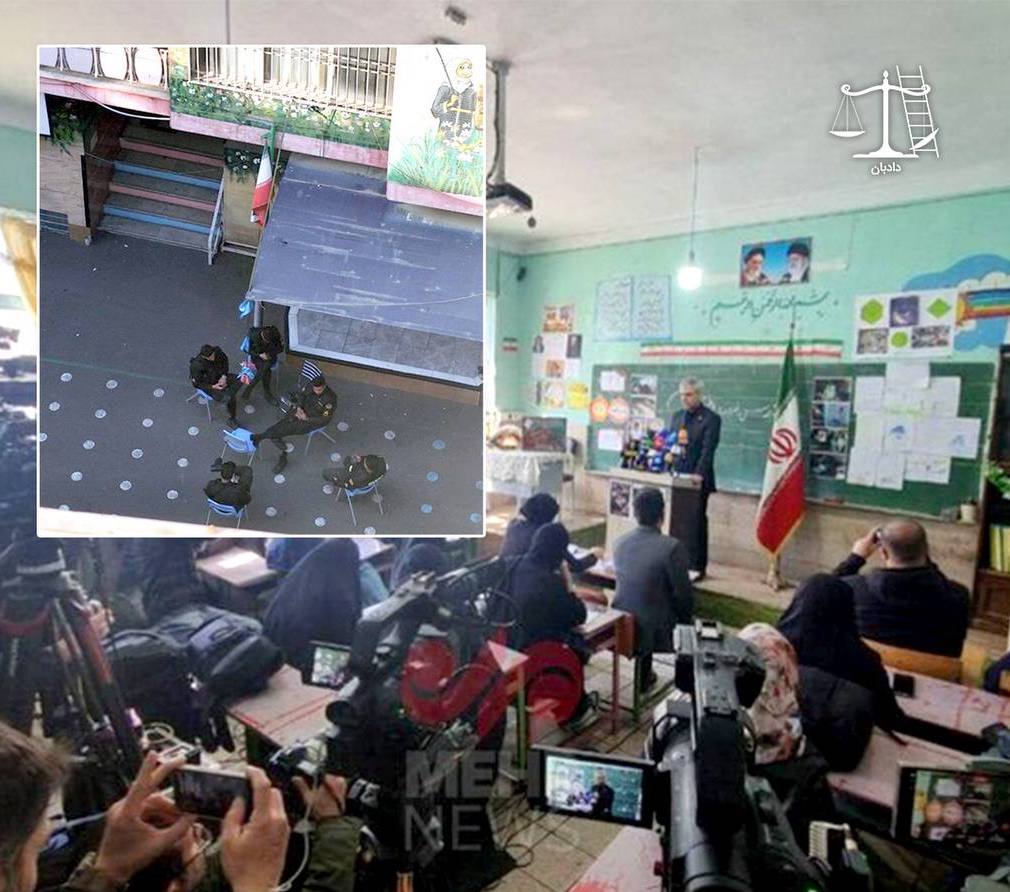
تصاویر منتشرشده از ایران نشان میدهد همزمان با هدف قرار گرفتن مداوم اماکن نظامی، انتظامی، امنیتی و سیاسی جمهوری اسلامی توسط آمریکا و اسرائیل، نیروهای نظامی و انتظامی و مقامات سیاسی به مدارس منتقل شده و آنها را تبدیل به اماکن نظامی و سیاسی کردهاند.
استقرار نیروهای نظامی، انتظامی یا امنیتی در مدارس، عملا جان غیرنظامیان را در معرض خطر مستقیم قرار میدهد. مدارس در ایران عمدتا در مناطق متراکم مسکونی قرار دارند و تبدیل آنها به محل استقرار نظامی، مرز میان هدف نظامی و غیرنظامی را مخدوش میکند. بر اساس ماده ۴۸ و ۵۲ پروتکل الحاقی اول ۱۹۷۷ به کنوانسیونهای ژنو، اصل تفکیک میان اهداف نظامی و غیرنظامی الزامآور است و اماکن آموزشی در زمره اهداف غیرنظامی محسوب میشوند.
علاوه بر این، ماده ۵۱ (۷) همان پروتکل، استفاده از حضور غیرنظامیان برای مصونسازی اهداف نظامی را ممنوع کرده و ماده ۸ (۲) اساسنامه دیوان کیفری بینالمللی، استفاده از سپر انسانی را بهعنوان جنایت جنگی شناسایی میکند. استقرار عامدانه نیروهای مسلح در کنار کودکان و مناطق مسکونی، مصداق به خطر انداختن آگاهانه غیرنظامیان است. هیچ توجیه امنیتی نمیتواند مسئولیت جنایت احتمالی ناشی از چنین تصمیمی را رفع کند.
در چنین شرایطی، هرگونه تصمیم برای استقرار نیروهای مسلح یا مقامات سیاسی در محیطهای آموزشی، مسئولیت حقوقی مستقیم برای تصمیمگیرندگان ایجاد میکند. حمایت از غیرنظامیان، بهویژه کودکان، تعهدی مطلق در حقوق بینالملل بشردوستانه است و نقض آن میتواند پیگرد کیفری بینالمللی در پی داشته باشد. تبدیل مدرسه به سنگر، نه اقدام دفاعی، بلکه اقدامی است که آگاهانه جان غیرنظامیان را در معرض خطر قرار میدهد.
دسته: تعیین نشده



دیدار ولودیمیر زلنسکی با شاهزاده رضا پهلوی در پاریس